Nappy Rash in Babies – How to Soothe and Prevent It
A red bottom in babies is common during the nappy-wearing period. Irritated skin, redness or a rash in the nappy area can develop into nappy rash, but there are simple ways to soothe and prevent the problem. Here are tips on how to best care for your baby's sensitive skin.

Read time: 3 m
Written by Linnea Dinesen
Content Creator
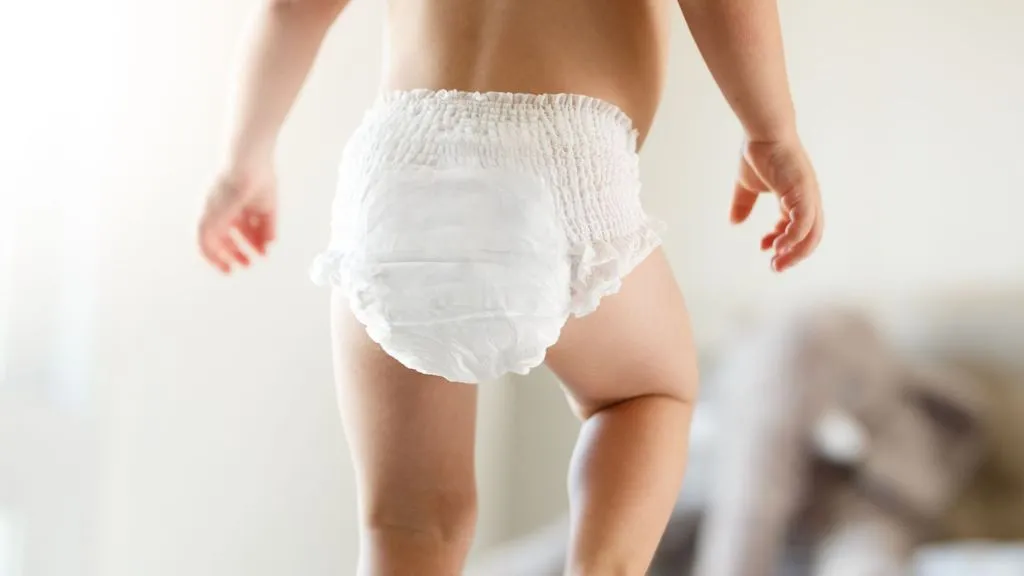
Why do babies get a red bottom?
Babies' skin is extra sensitive, and rashes around the bottom and thighs are common during the first year. Even if you change the nappy frequently, irritation can occur. The causes can be:
- Ammonia in urine that mixes with bacteria from faeces.
- The warmth and moisture in the nappy that irritates the skin.
- Transition from breast milk to solid food, which causes the baby to have more frequent bowel movements.
Prevent nappy rash with air and dry nappy changes
The best way to prevent nappy rash and a red bottom is to let the baby go without a nappy at least once a day. Let the skin air out for a while at each nappy change and make sure the bottom is completely dry before putting on a new nappy. It's a good idea to put the baby on a towel with their bottom bare for natural airing.
How to clean a red bottom
When the skin is already red and irritated, cleaning is extra important:
- Avoid wet wipes on sensitive skin.
- Wash gently with soft washcloths or terry towels in lukewarm water.
- Remember the skin folds on the thighs.
- Pat dry – never rub.
- Wait with a new nappy until the bottom is completely dry.
Breast milk as a natural remedy
An old wives' tale is to use breast milk for nappy rash. Breast milk has antibacterial and healing properties. Drip a little on the irritated skin after cleaning and let it air dry before putting on the nappy.
Ointment that protects and cares for the skin
A nappy rash ointment can protect the skin by forming a thin layer that both soothes and allows the skin to breathe. Choose an unperfumed ointment without preservatives or dyes. Many ointments can also be used on dry lips, chapped skin areas or nipples during breastfeeding.
When should you seek medical attention?
If the redness and rash do not go away despite self-care, it may be due to a fungus or bacteria that has caused an infection. Babies who are given antibiotics may also be more sensitive. Contact your health visitor or paediatrician if the skin does not improve – then your child may need medical treatment.
Written by Linnea Dinesen
Content Creator
More from Preggers

Hundreds of related articles, podcasts & more waiting for you in the Preggers app.
Download Preggers today.